Amputations are spooky…but also really helpful! Infections, damage, or cancers in limbs can endanger one’s life, and render them worse than they would be with an amputation. However, what could possibly be spookier than removing a limb?? Still feeling the limb. How could you feel something that’s not there…
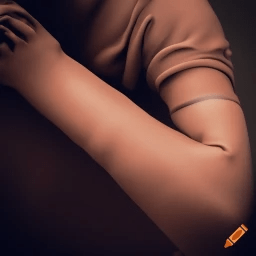
That’s a normal arm. We can feel it. But what if a normal arm wasn’t there. Could we feel it?
Want Brain Games for Discount?? Keep your mind stimulated for life!
Why Remove Limbs?
Limbs
Before we get into “phantom limbs,” let’s not take off the training limbs—uh, wheels—too early; our attention should be focused on real limbs first. Human limbs are defined as our arms and legs, because they project out of the body. Similarly, the wings of a bird or the flippers on a dolphin can also be considered limbs! The primary function of limbs are terrestrial locomotion…. a fancy way of saying movement/motor applications
Damage
Like the rest of our bodies, the fours are also prone to breaking, infections, and other ailments which can have detrimental impacts on not only motor function, but can spread and harm other unsuspecting parts of the body. For example, bone or soft tissue tumors which have grown to massive lengths could also go beyond the specific limb, and begin growing in other parts of the body.

Amputations
Whenever it is medically determined that the damage to the limb causes extreme harm to the body or the limb is completely and utterly dysfunctional, doctors will go about removing the limb(s) altogether, a process known as surgical amputation
What Is Feeling?
Describe Feel
At first glance, this question may seem a little silly. Of course you know what feeling is- it’s the feel of something…and feel is…well, feel. Exactly, what is feel? Why do we feel? Feeling is, in this context, the ability to perceive physical sensations such as temperature, pain, vibrations, etc.. Feel keeps us alive- whenever we prick an extremely hot stove, it’s the ability to perceive physical sensations which prompt us to remove our hand from the stove as quickly as possible, to avoid major burning. So, describing feeling is simple enough, right? Like most processes our bodies do/undergo, feel is yet another survival mechanism. The true wonder lies in how it happens…
The Brain Sees All, Does All, Controls All
Whenever you wonder something about the body, anything in general, just remember that the brain is probably involved in some manner or the other. Let’s go through the path of feel. On the skin, there are certain nerve ending receptors: Mechanoreceptors, Thermoreceptors, and Nociceptors. Each of these receptors corresponds to a certain segment of feel- Mechano to physical contact, Thermo to temperature, and Noci to pain. Electrical signals travel through sensory neurons(nerve cells) to the brain, which processes the information and relays the signals we feel, to aid our survival. The way in which info travels back and forth to the brain is complicated! For now, the understanding that it uses electrical signals is apt enough.
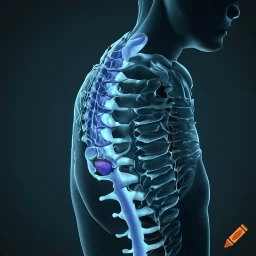
Remember, physical feel isn’t the only thing the brain does with our limbs! Other functions such as movement are important too. Motor Neurons, nerve cells which control movement, relay a “command” to the brain, which gets pushed to the spinal cord. Certain areas of the spinal cord control certain limbs by sending electrical signals to the muscles in limbs! Cool, right? Y’all remember that scene where Iron Man describes James Rhodes paralysis? He was describing spinal cord areas. Check it out!
Phantom Limbs: Real Deal
What Even Are They
As you briefly saw in the introduction, phantom limbs are not a physical “thing,” but rather a phenomenon. We know that they are roughly when an amputee feels a limb that is not there anymore, but now that we have somewhat of an understanding of how the entire “feeling” system works, let’s dive a little deeper. So, the person who has received an amputation begins to feel sensations in the area of the amputation, but not a weird, tingly sensation as you may imagine, but real sensations such as pain and even touch. AND, they can even sense temperature changes in some cases. This sounds oddly familiar to the material we talked about in the previous section, so we can possibly conclude that the brain is still processing information related to the area but we also know that we need receptors in order for the brain to even process anything. If the receptors ain’t there, what’s the brain doin’?
The Cause
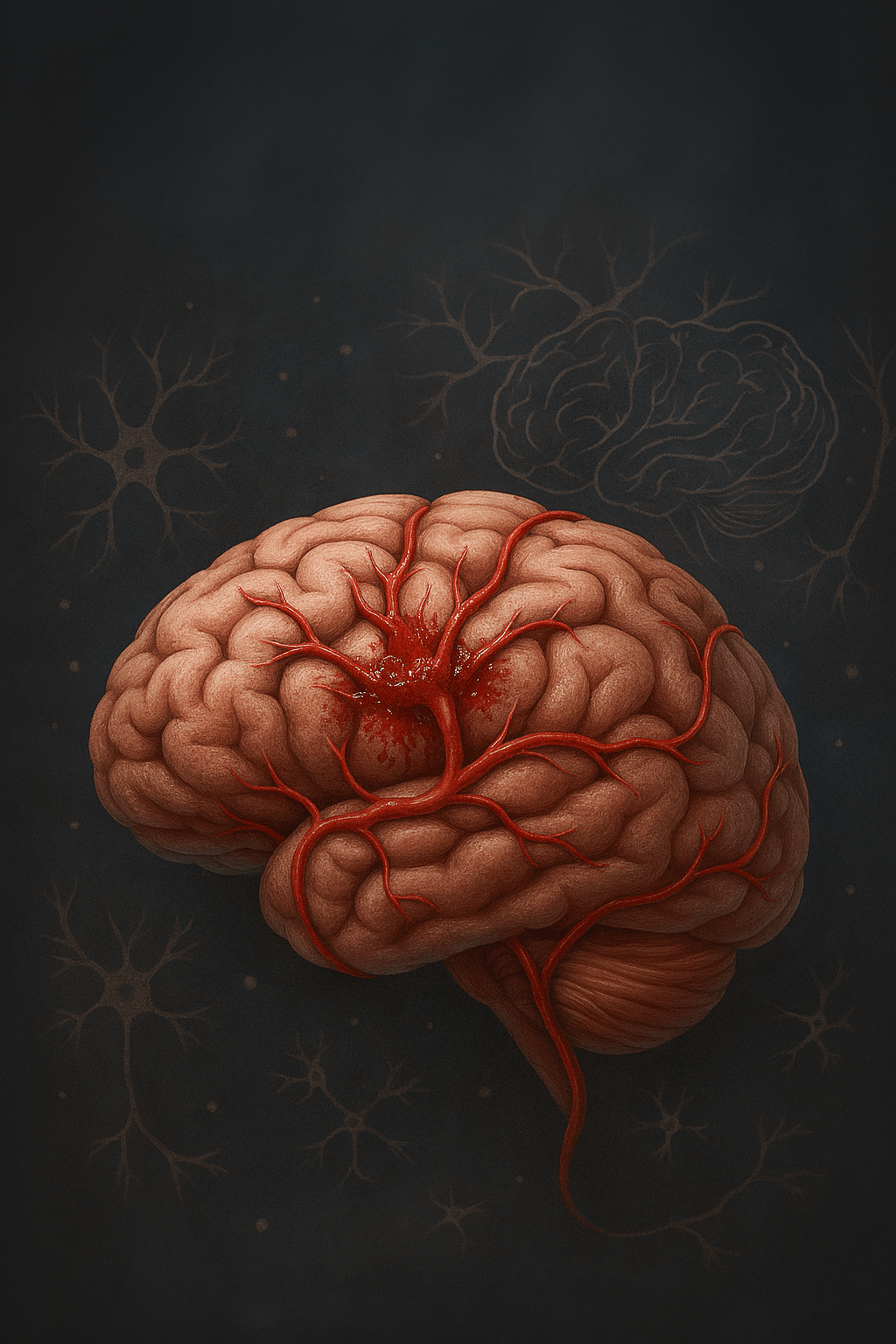
The concrete, all-world cause of phantom limb is actually unknown, but it is accepted that changes in the cortex, the outer layer of the brain which consists of several sub-cortexes, cause the odd sensation. However, there is one theory which sticks out more than the rest, and that is the theory of neural plasticity, which will be talked about shortly. First, we have to understand what happens to the limb after the procedure. Whenever the limb is amputated, those peripheral nerve connections still remain in the “stump,” the part of the limb that is actually still on the body. The thing is, the brain is extremely plastic. No, it doesn’t harm the environment. The brain has the ability to “reorganize” itself, kind of like a rubber band always returns to the starting position. However, the reorganization is not immediate. As the brain realizes that the areas which used to correspond to certain limbs are now useless, it “fills” the area with other areas of the brain. What’s cool is that this leads to increased representation! For example, if nerves which lead to the left leg fill up the space of an amputated right arm, then the left leg will have increased perception. Thing is, the reorganization is not immediate, like we said. Hence, sensory inputs in those residual nerves may be sent to the area of the brain which corresponded with the amputated limb, and then phantom limb ensues. A sense in the amputated area as if something was actually present…but nothing is. Mysterious.
Anything We Can Do?
What’s actually very interesting is that this mysterious phenomenon happens to quite a bit of folks. 80-100% of amputees! That means an amputee is substantially more likely to feel the sensation than to not feel the sensation. And when thought about logically, it makes quite a bit of sense. If this theory of neural plasticity and sensory reorganization holds true, than we wouldn’t possibly expect that the brain could do it instantaneously. While patients can undergo mental therapy to desensitize themselves to the pain, there is no physical method to altogether prevent phantom limbs. Massaging the area and acupuncture can be used for alleviation, but not prevention. I think that the great professionals of the world have realized that the brain must take its wonderful course, however it must take it!
Wrapping It Up

So, phantom limbs, huh? Feeling something, but nothing’s there. Reality can be whatever the brain wants it to be! Its workings make for some pretty mysterious happenings. Hopefully, something was learned today and it happened in an entertaining way. Join us next Monday for another mysterious episode, and be on the lookout on Wednesday and Friday for more blog posts! Until then, stay feeding the brain with knowledge!


 NeuralAYM
Leave a comment