Everyone has heard of a stroke. Most people probably know someone who has been affected by a stroke. Worst of all, several people have likely lost someone due to a particularly fatal or untimely stroke. Strokes, unlike neurodegenerative diseases whose symptoms may take up to years to finally expose themselves, are dangerously unpredictable and volatile. Of course, there are certain habits and conditions which put you at higher risk for strokes, but they are largely spontaneous, which is what makes them all the more heartbreaking when they do occur. Unpredictability, aside from striking a sentimental nerve, also prevents there from being a real cure to strokes, because no one knows if they would ever happen. Naturally, research is being conducted upon the matter, but that is largely to determine which habits are more likely to result in strokes and whether or not there is foreshadowing material in one’s lifestyle, behavior, reaction time, etc. which could point to a potential stroke. Despite the investigations, strokes are still as mysterious as ever; it would serve us and the scientific community well to educate ourselves and take the best precautionary measures we can to prevent such happenings.
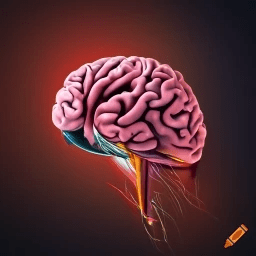
Strokes account for about 5% of deaths in the USA- that’s an extremely high number. Considering their unpredictability, it seems hopeless that we can do anything to decrease these rates. However, we should hope to be in for a surprise. Let’s see what exactly we can do to ensure we protect ourselves from the fatal emergency
Want Brain Games for Discount?? Keep your mind stimulated for life!
Basic Brushstrokes
Perfect, No Imperfection
Before we look at what happens when the brain is undergoing a stroke, we have to understand what the brain looks like in its regular state. In elementary terms, a stroke is an impediment of blood flow to the brain; while it is not yet time to study the effects of this obstructed flow, one can naturally assume that this would inevitably lead to less than ideal effects. However, examining how blood naturally flows to the brain is no cakewalk in itself, contrary to expectations. The brain has three main supplementary artery groups, and a connectary group. Carotid arteries in the left and right of the neck ascend to the base of the skull; these guys are responsible for the front and middle of the brain. Vertebral arteries, as you may infer, network via a spinal route. Through the cervical spine, they reach the base of the skull. This set of arteries is responsible for the posterior parts of the brain, such as the brainstem. The Circle of Willis is the connectary system, linking both of these groups of arteries. The Circle serves as a backup in case of a potential blockage(ironic, huh). The connection essentially supplies a constant stream to the brain. By extension, if the Circle of Willis is supposed to provide insurance in case of a potential blockage, something must render it faulty in the case of a stroke; we will examine if such is true. The last artery group is the cerebral artery group; these arteries divide into smaller groups and deliver blood to a structure called capillaries. One important note about the blood flow in the brain is the evolutionary advancements it has gone through to become highly selective. The brain’s defense mechanism from foreign objects in the body is known as the Blood-Brain-Barrier. Viruses or bacteria are painful enough in the rest of the body; imagine if we felt those effects mentally. We’d be a blob, merely existing. The BBB is highly selective, rarely allowing anything into it. While this will likely be an individual topic in the future, it is sufficient to know the basic properties and streams of the brain’s bloodstream.
Story of Strokes
Neurological advancements and technologies have quite bizarre natures. Either they date back millennia and millennia, traversing empires, generations, whatnot. Or, the phenomenon has been discovered no more than about 50-60 years ago. Strokes are the former, with ancient scientists of the past even being aware of certain abnormal disturbances in the body which must relate to some neural anomaly. The great Greek physician Hippocrates associated concerning symptoms such as temporary paralysis with a neural problem. A Roman physician, Galen, took Hippocrates’ hypothesis one step further. Three centuries later, around 2nd Century BCE, he claimed that these symptoms were the result of some sort of fluid imbalance. Of course, the natural assumption when talking about imbalance in bodily fluids is blood. As we know, he turned out to be correct. As the desire for secular achievement increased, so did the interest in anatomy and physiology. But strokes remained a hazy area…back in the 17th-19th centuries, they were not even called strokes. Scientists could distinguish between different types of strokes based on its symptoms and effects, but it was still relatively unclear as to what exactly what was going on. Scientists had relatively little to base their work on- weird symptoms and an imbalance in fluid. As is the case with many neurological issues, neuroimaging(Trailblazing Thursday!!!) skyrocketed understanding of strokes. MRI, CT scans, and other revolutionary technologies gave us intimate understanding of blood vessel pathways, neural organization, etc. Since then, research has been focused on stroke prevention and post-stroke treatment; it’s unfortunate that strokes are impossible to “cure,” because no one knows when they will happen.

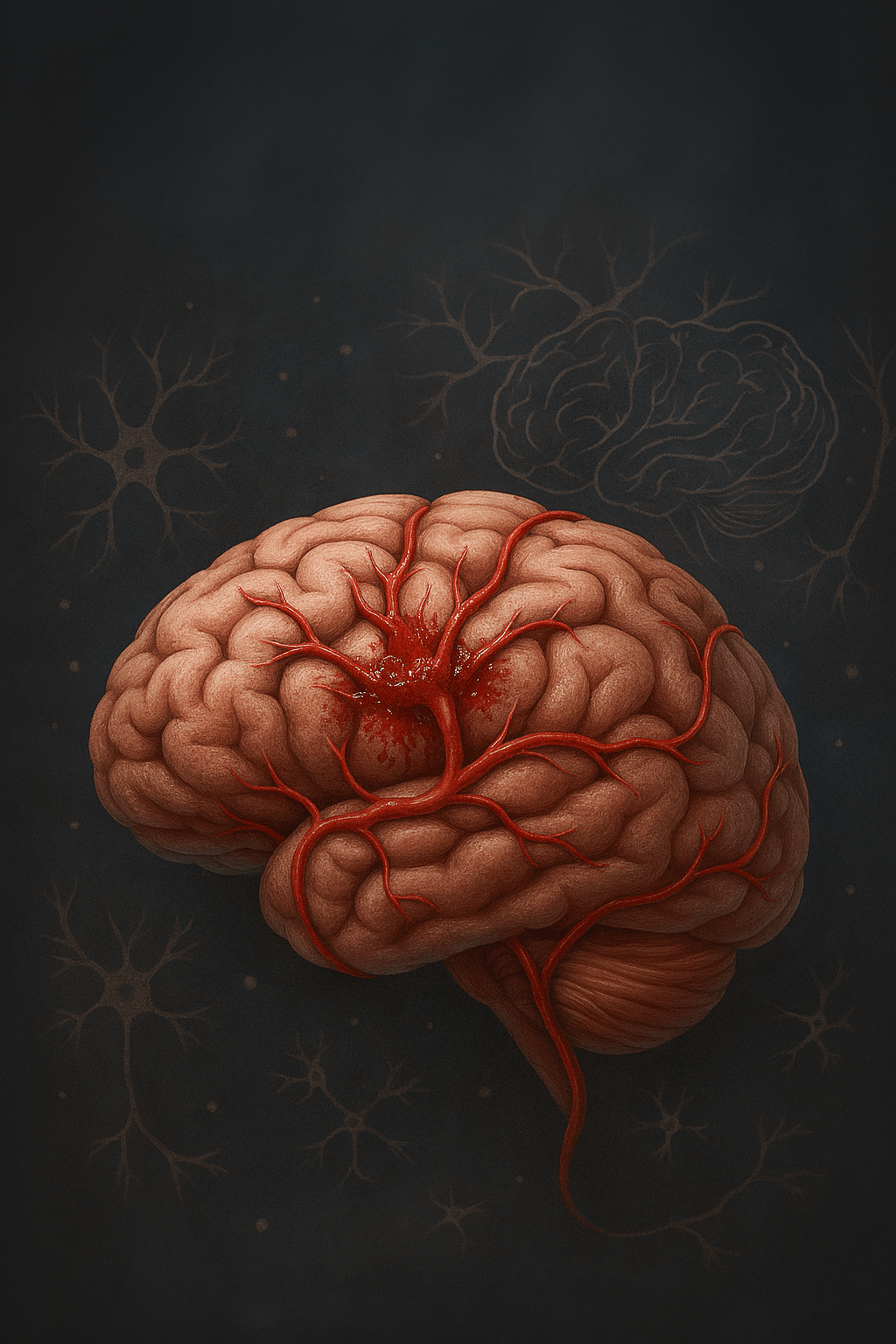
This is a generated neuroimage of a stroke, which can be seen in the top right of the structure. Of course, it is not adequately detailed for us to visualize the minute structures which are bleeding and blocked blood vessels, but this more so seems to be an image which a doctor may use to localize an issue
Risks
Strokes, although they cannot be cured as 1) They are unpredictable and 2) They are not considered chronic(one may suffer from them, but they are not a constant condition), they can surely be prevented. This section may not be educative as it is more of a stern lecture, but for some, it may be more than educative- it could be eye-opening, life saving. Perhaps the most prominent is, you guessed it, is smoking. Smoking severely damages blood vessels and facilitates clot formation; at that point, you’re asking for a clotting of some sort. Considering that strokes are all about blood flow, high blood pressure will eventually damage the blood vessels as well through a variety of issues such as inner lining damage, stress on the cardiac system, and weakening of vessel walls due to extreme pressure. Alcohol addiction and obesity also increase blood pressure, which is one of the various reasons it is crucial to achieve a quota of physical activity throughout the day. There are other uncontrollable factors such as age and gender which play a role, but those cannot be controlled and nor do they severely increase risk. It is rather important to ensure that we do everything in our power to minimize the risk of such a fate befalling us…it can happen to absolutely anyone.

Thus far, strokes have been presented as a rather unpredictable, uncontrollable happening. Although this may be true, it is inefficient and downright ignorant to partake in poor habits which greatly increase our risk not only for physical disorders like strokes, but psychological disorders such as depression. And this is not to mention the inevitable decrease in lifestyle which follows
Specifics of Strokes
Ischemic
Strokes are categorized into two large sections, the first of which is an ischemic stroke, a blockage of the blood vessel. They account for 85% of strokes, and happen for two major reasons. First of all, fatty deposits can build up inside of the arteries, which either completely blocks the arteries or thins the passage that the brain receives blood from from, hence decreasing the amount of blood which is transmitted. The other way a stroke can occur is due to the formation of a blood clot which travels down larger arteries to smaller arteries. A clot in a smaller artery can obviously become lodged in the pathway, blocking the blood flow. When blood flow is blocked, it subsequently blocks all nutrient flow to the brain. Hence, the symptoms of ischemic strokes are very sensory, as neural pathways would be impaired. Numbness, language troubles, blurriness, and a general lack of motor control are all common symptoms associated with ischemic strokes.
Hemorrhagic
The second type of stroke, the less common one, is a hemorrhagic stroke. Rather than a blockage of blood flow, hemorrhagic is quite the opposite; hemorrhagic strokes are caused due to a rupture in the blood vessels. Blood can either spill within the brain and into the brain tissue, or it can spill in the crevices between the brain and the arachnoid membrane(the thin covering over the brain). The bleeding and the increased pressure in the brain can easily terminate neurons. The tissue in the brain can become compressed and neurons can die. Hemorrhagic strokes can have severe after effects, as chronic pressure on the brain can lead to long-lasting symptoms. In fact, hemorrhagic strokes have a higher death rate than ischemic strokes, and surgical intervention is often required after one experiences a hemorrhagic stroke to manage the gradual tissue damage which will inevitably follow after increased pressure to the tissue.
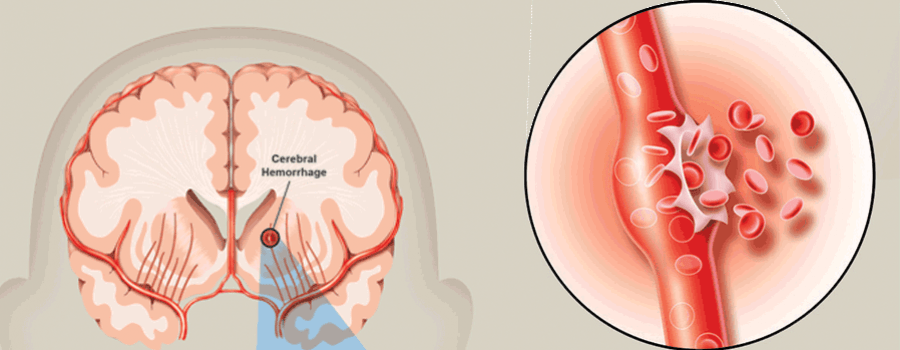
This is a visual of a hemorrhagic stroke; what looks to be increased blood pressure has caused a rupture in the vessel, leading to a severe leakage within the brain
What’s Next
As I have reiterated several times, it will be impossible to find a “cure” for strokes as we never know to whom they can happen to and when they can happen. However, there is extensive research being done on stroke prevention, formation, and occurrence. One of the major areas of research is neuroprotection. Scientists are looking to from some sort of protective substance to give to former stroke patients. Stem cell therapies, which are “baseline” cells which have the capacity to specialize into specific cells. Replacing damaged cells with fresh stem cells can alleviate the damage done by increased pressure and spilt blood, minimizing the risk of some chronic symptom appearance in the future. Additionally, we have done quite the talk on modern neural technologies on the site recently. Virtual reality is being investigated in stroke rehabilitation, as well as using Artificial Intelligence Methods to analyze risk assessment and potential high-risk diagnosis using imaging which can examine even the most miniscule of details. Acute stroke treatment is also a popular stroke prevention method, implemented in a patient immediately after a stroke occurs. Via treatments which facilitate the dissolving of clots, the breaking of clots, oxygen level maintenance, IV fluid, and several other methods which will promote regularity within the brain after a stroke occurrence, patients can get treatment within hours and attempt to minimize the risk of future strokes.
Wrapping It Up
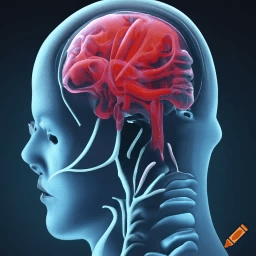
Strokes. Unpredictable, volatile, heartbreaking, and eye-opening. The best cure for strokes is good health, and to provide ourselves with maximum assurance that our bodies are in solid hands with certain habits. And due to the fact that we’ve known about them for so long and have yet to find any sort of concrete treatment or cure, we must be extremely vigilant and remember to live life to the fullest!

 NeuralAYM
Leave a comment