While we haven’t devoted an exclusive post to the subject, the high maintenance efforts the body must undertake to ensure that our nervous system’s networks are optimally functional have been referenced a plethora of times in various other contexts. Oftentimes, this refers to the integration of new, freshly created neurons. While maintenance in the body is a pretty self-explanatory process, especially in the brain, there are a surprisingly abundant amount of intricacies which are involved in its steps…some of which you may already be pondering. When does the body know to integrate a new neuron? How long does it take? Where does it primarily happen? All are important questions to ask not only to understand the functionality of the nervous system, but also to examine many therapeutic applications.

The neural network is possibly the most intricate system in the body. So, when the new cells come in, how does the body make sure they are up to speed. They have a responsibility to uphold, ensuring our cognitive functions do not suffer.
Discounted Brain Games Right Here!!
Generations To Come
What And Where
I didn’t even explain the meaning of the title of the article! Neurogenesis is a very specific process of maintenance which must consistently occur in the brain to ensure that there is minimal limitation to how effective our neural networks are. For context, a poorly functioning neuron or set of neurons can potentially fail to send an adequate signal, can release its intracellular contents into the bloodstream, and can synthesize incorrect materials. Or, there simply may be an insufficient amount of neurons that exist at a point in time to form a memory. However, neurogenesis is unique in the sense that the new neurons needed for replacement are produced through a very special type of cell. While the process of cell differentiation is not exclusive to the brain, it is definitely notable due to the therapeutic applications it may have. Where neurogenesis occurs is equally as important. The primary area of focus for neurogenesis is the hippocampus, specifically in an area called the dentate gyrus(GPT, 2022). Neurons are produced there and integration subsequently occurs into the networks. The dentate gyrus isn’t necessarily ultra-important, but knowing that the production occurs in a subclass of the hippocampus is.

A seahorse? Yes, a seahorse, because the hippocampus is shaped like a seahorse. There are often misconceptions surrounding the hippocampus, though. Just to be clear, the hippocampus does not store memories. It forms them. After formation, the neurons responsible extend their processes to other areas for retrieval
How
We’ve answered the question of what neurogenesis is, where it occurs, and also touched upon why it must happen. These new neurons do not emerge from thin air…remember that cliffhanger I left on, saying that neurogenesis employs a special type of cell, I was referring to stem cells. You’ve likely heard of stem cells in some sort of therapeutic application, but the public has a surprising deficiency in knowledge about them. Stem cells(you may have inferred from ‘stem’), are cells which do not have any specialized function yet. They are not integrated into a network, they are not a component in muscular function, they are not utilized for immunity…they have very little functional gene expression. Remember, the body does everything for survival. It is the release of growth factors which stimulates the process of neurogenesis. While there is no consistent answer as to what causes the release of growth factors, it is fair to assume that the overall trigger of necessary learning/modification to a memory releases them, along with a set of other molecules to promote differentiation. Ligands from other cells can also contribute to the differentiation process. It would be quite extensive to label all of the signaling factors, but the gist is understood. Receptor is bound, process is started. Because these growth factors were received from corresponding neurons in the appropriate network, the new neuron is seamlessly ready for integration, becoming one with the pathway, leading to memory formation, modification, etc.
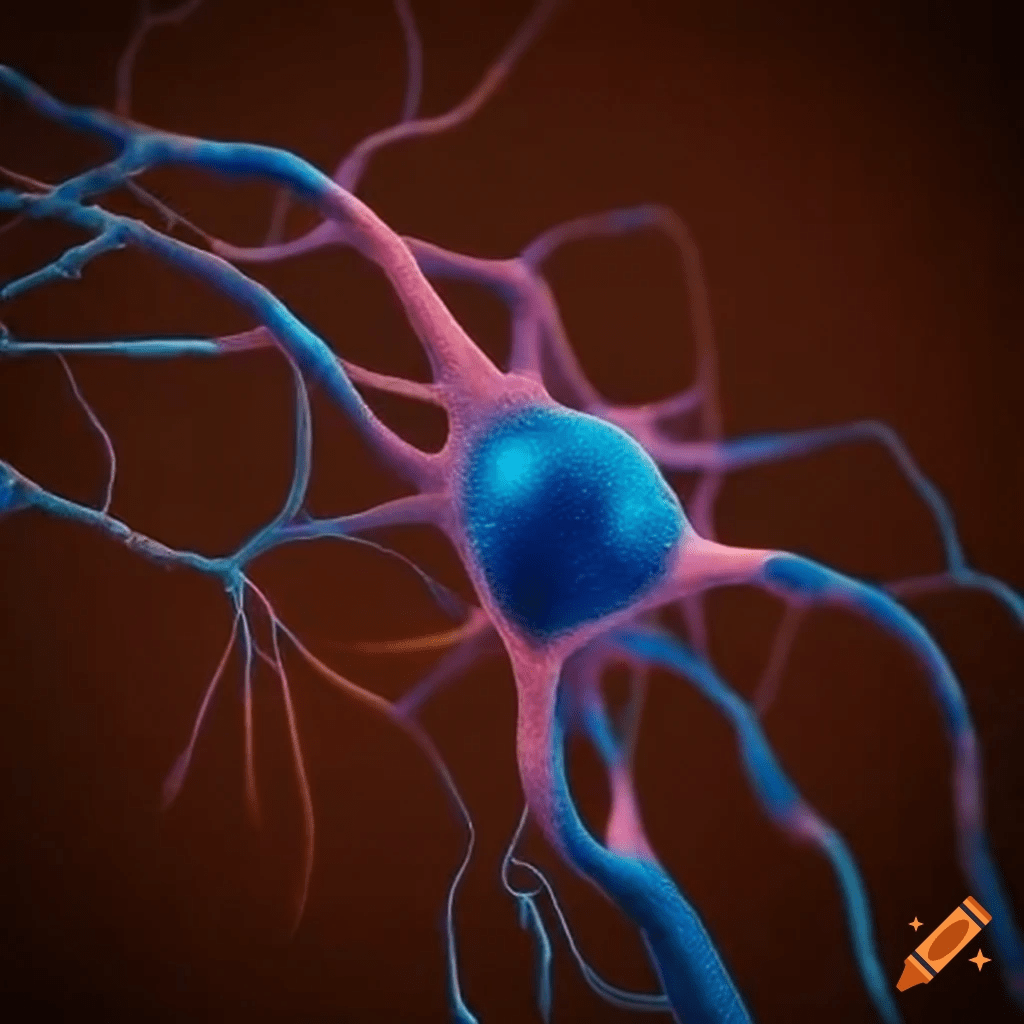
When new memories must be formed, it’s fair to assume that neurons without the adequate connections to form that memory/consider the network established release growth factors. These growth factors promote this connection and the network is generated!
History
While the process sounds intimidating to ponder, don’t worry. The concrete mechanisms behind neurogenesis aren’t understood by even our top minds. However, the importance lies in the general process: Network/Synaptic Modification, potential neuronal damage/injury, or some other needed change in the hippocampus will likely promote the differentiation of these stem cells into new neurons. But, who discovered that this process even occurs. Surely it required some high technological methods? Unsurprisingly, it was discovered in a rat. At first, it was originally proposed that neurogenesis occurred in embryonic stages, due to the, well, zero neurons that would originally exist in a fetus. However, Sir Joseph Altman cleared our confusions. Altman utilized a radioactive material, thymidine, into the brain; this material has the capacity to establish itself into new DNA. When the experiment worked, it was evidence that the brain was indeed the host of newly synthesized neurons(GPT, 2022). The presence of these new granule cells(the most abundant type of neuron) indeed proved that throughout adulthood, our memories and networks were constantly changing and being refined, and our capacity to form new memories was not entirely dependent on the flexibility of already existing neurons.
Proven AlphaBrain Supplement(Ages 18-65) HERE
Download The App
It’s Complicated
If you’ve read the site avidly for some time, you’d know that our interest in neurodegenerative disorders has potently spiked in the past couple of months. We have repeatedly established that neurodegenerative disorders are among the most fatal of diseases and we do not have a cure for them due to the persistent cell death. Upon reading this article, however, you may already be connecting the dots. If our brain is proven to produce new neurons, then what is going on? Why are we spending time devising cures for these diseases when the cures have been in us? 3 factors- Reason, Region, and Rate. First of all, neurogenesis does not happen to replace old neurons. While it CAN do so, think of the difficulty it would pose to integrate a new neuron into an old circuit, the information already well established. Never doubt the brain- it likely could be done, but it would require a significantly more challenging process than simple neurogenesis. Furthermore, neurogenesis primarily occurs in and for the hippocampus, meaning that many neurodegenerative disorders outside of those regions may not plausibly be treated via this method. Finally, the rate at which neurogenesis occurs is much slower than neuronal apoptosis, meaning that we cannot solely rely on biology to alleviate our cures. However, we must not lose hope!

It’s not that neurogenesis in the hippocampus is completely incapable of replacing old neurons. It’s the fact that the rate of neurogenesis would never match the rate of death in neurodegeneration, coupled with the fact that replacement isn’t even the primary function
Untapped Potential
While the last post may seem to portray our prospects for progress as inherently glum, there is so much of science that we don’t know! I know we established that neurogenesis is not necessarily used to replace new neurons…but it doesn’t have to be! Take Alzheimer’s, for example- the initial damage more often than not begins in the hippocampus, the area of formation for memories. If we can devise a method to enhance neurogenesis, and transform the method to be accessible to the populous, then we can at least enable victims of AD to form new memories. Continuing with AD specifically, a decrease in neurogenesis is directly correlated to the primary pathology mechanism present in Alzheimer’s, implying that there is some implied potential association with neurogenesis based treatments and Alzheimer’s relief. But, what about neurodegenerative diseases in areas of the brain which do not rely on neurogenesis? Well, we can still use the principles of neurogenesis. I know I’ve reiterated that its primary function isn’t replacement, but we’ve also only been discussing the hippocampus. NG also occurs in the olfactory bulb, where the primary focus is replacement. Interestingly, in a study done in the 1980’s, patients with Parkinson’s who had dopamine-producing neurons inserted into their midbrain actually reported an increase in dopamine levels, indicating that neurogenesis and its related applications have a bright future in therapeutic application!
REVOLUTIONARY Psychological VR Tech Found HERE
Wrapping It Up

Similar to a factory making materials, our body making neurons is one of the most crucial processes to not only the formation of new memories, but(to an extent) the maintenance of old ones. Let’s take initiative and be the ones to figure out how we can further improve upon the body’s processes in a courageous attempt to stand in the face of many plaguing diseases



 NeuralAYM
Leave a comment