The world around you appears intact…the sun is bright and yellow, the sky is blue, the grass green, the people smiling!! Until, the world isn’t intact anymore. There are, all of a sudden, 2 suns. For some reason, your right shoulder seems to slack a bit, drooping slightly below your left shoulder. Your chin is…wet? With what? Is it raining…that can’t be…the sky was blue 30 seconds ago. Did I spill water on myself….no way…you don’t even have a water bottle WITH you right now. It’s your own saliva. The world fades. You fade. A stroke is one of the scariest medical accidents which can present itself, because of its sheer abnormality, lethal nature, and progressive properties. While not everyone is guaranteed to, all of a sudden, pass from a stroke, and there may not even be any lingering effects, it’s vital to understand what are strokes, why they occur…and how they could affect us, both now and forever.
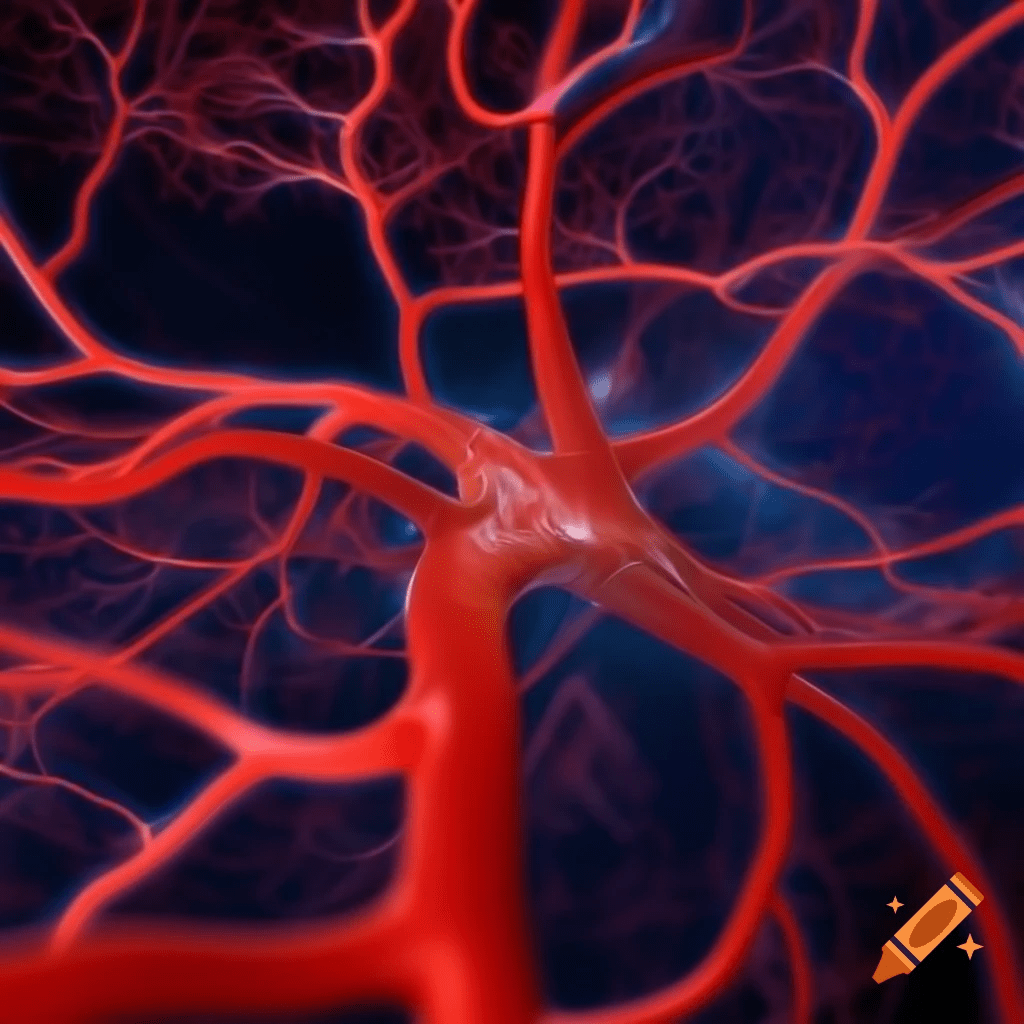
Strokes are one of the most common acute incidents, but it is also one of the diseases the population is least educated on. What actually occurs in our brains during these episodes, that we so often never see coming?
Stuck On Red
Feeling Congested
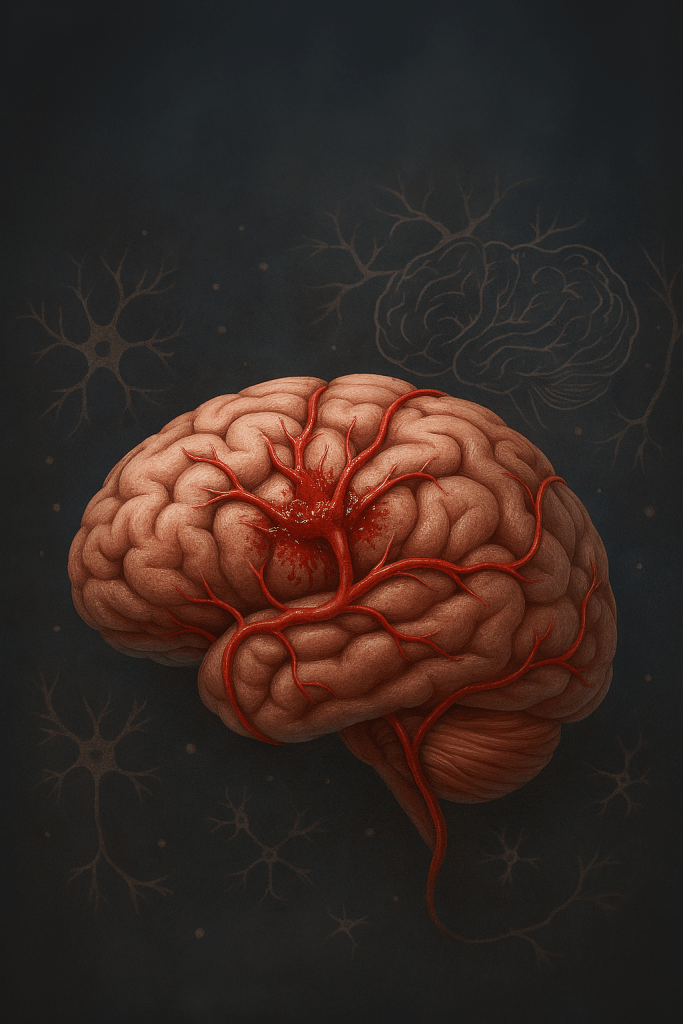
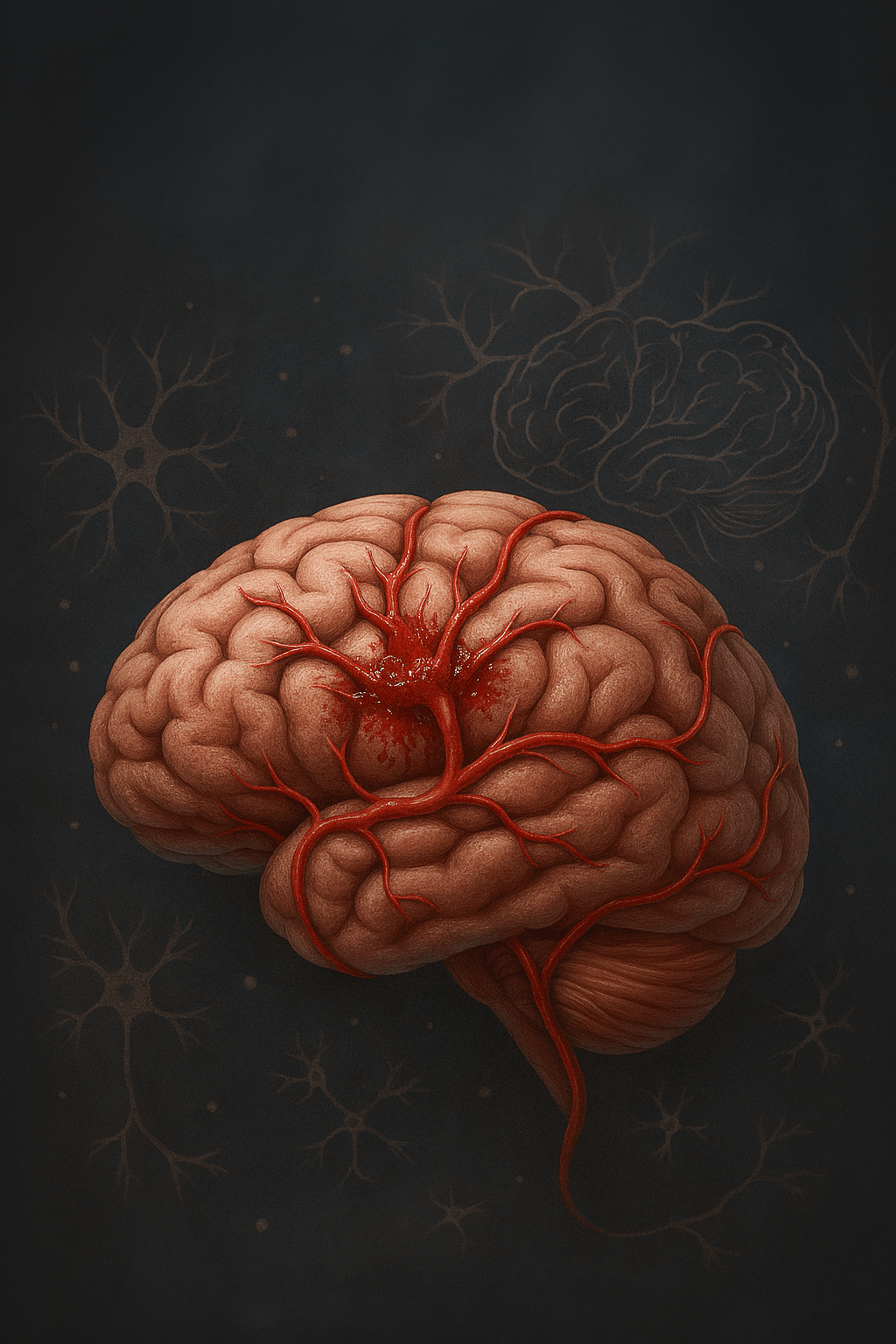
Now, obviously, the neurological deficits won’t come unless you actually experience the stroke…so let’s discuss how the stroke actually forms, progresses, and presents itself. There are two primary types of a stroke: an ischemic stroke, and a hemorrhagic stroke, both which involve blood, and obviously, the brain. Now, an ischemic stroke likely is the one most people are referring to when they say ‘stroke,’ as they are much more common than hemorrhagic strokes. In this case, there is a clot or blockage in the affected artery, causing the backup of blood within the brain. The flow of blood doesn’t completely ‘stop’, because there are drainage systems within the brain…however, when it comes to the area of the brain directly affected by that specific branch of the artery, perfusion is lost, hence the lack of coordination or cohesion often observed in these individuals. In a hemorrhagic stroke, a blood vessel bursts…totally bursts. Yes…it bursts. It can either burst within the neuron, or in the subarachnoid space. So, we have a basic understanding of how strokes occur (both types), and intuitively, a disruption of blood is bad for your brain…but how, or for what reason.
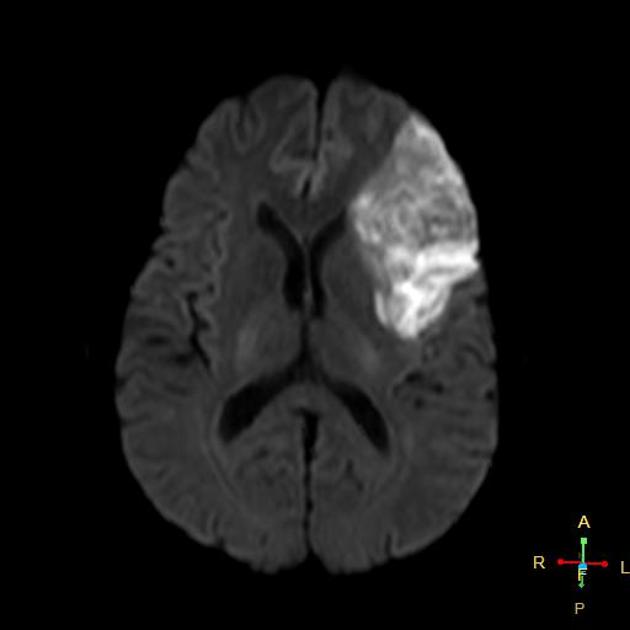
To the left is an MRI Image of a patient suffering a stroke, around what seems like the Left Frontal Lobe. As you can see, the lack of blood flow (Ischemic) creates a whitish, obviously deficient appearance in the brain
Factorization
Let’s diverge course for a quick second, before we discuss the progression of the stroke itself, and the overall deficits that arise from strokes. It’s first prudent to consider risk factors that can actually lead to strokes, because it would be unwise to educate you on strokes themselves, but not their prevention. Now, obviously, there are genetic and biological predispositions, such as naturally lessened vessel elasticity, age-related vessel stiffening, etc. However, there are a large subset of risks which are preventable, that very directly contribute to stroke risk. The biggest component to consider if pondering whether some habit or behavior poses a stroke-based risk is to analyze whether it causes any sort of Cardiovascular (specifically, vascular) compromise. The most common condition which comes to mind is Atherosclerosis, or ‘Hardening of the Arteries’; Obesity, High Cholesterol, and an overall unhealthy diet are massive contributors to this condition. The plaque buildup significantly increases the risk of blood blockage: Ischemic Strokes. And, funnily enough, the High Blood Pressure often caused by the arterial stiffening can lead to Hemorrhage. However, what if the vessel itself is directly weakened? Alcohol, Smoking, and usage of Anticoagulants all increase either the damage to the vessel itself, or the overall risk of bleeding. Unfortunately, these risk factors are much easier to fall into than anticipated, and they are often associated with other common conditions; however, these very risk factors are not complex, but rather, those generally chastised by nearly all health officials. Be healthy, stay healthy!
Growing Pains
So, now, we can examine the progression of the stroke in the body. We will begin with the more common of the two, the ischemic stroke, and then analyze the hemorrhagic stroke (although, considering the knowledge we have about the risk factors, much of the progression of both types of strokes has to do with elevating these factors). Nonetheless, what actually occurs during the short-term…the actual attack? Now, a key term to take note of here is a term known as the LKW, or Last Known Well, which is pretty self-explanatory; it’s the point at which the suffering individual was last noted to be acting as themselves. In ischemic strokes, these LKWs can be quite lengthy, up to hours, as the clot or obstruction in the individual could be major…but could just as equally be minor. During an ischemic stroke, as blood in an arteriole (branch of an artery) is impeded on its path to the brain, that area of the brain gradually receives a decreased amount of nutrients, leading to deficits (hence the LKW). In a hemorrhagic stroke, the principle of the LKW does indeed apply. However, its ‘progression,’ in a sense, isn’t necessarily ‘progress,’ but rather a storm following the calm. A blood vessel suddenly ruptures…and while the symptoms may present the same, the fact that blood is leaking into the brain does, unfortunately, lead to increased amounts of death. For our purposes, the mechanism is not as crucial to consider as opposed to the effects of the stroke.
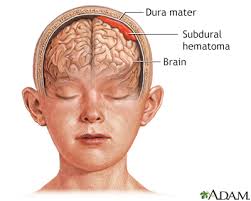
Notice how the brain is enclosed in the skull. Because the skull, obviously, can’t expand, the pressure on the brain can lead to neural death faster than anticipated
BAD TIMING
Cause and Effect
Oftentimes, they just creep up on you; however, the after-effects can be worse than the sudden experience itself. And, unfortunately, as special as neurons in the brain are, they do not have the remarkable power of regeneration. Hence, if the disruption in cerebral perfusion is prolonged enough (which it normally is) that some neurons do, unfortunately, die… they aren’t coming back. FORTUNATELY, however, the benefit of neurons, their most supreme power, is the ability to constantly and infinitely change their wiring. But, before we discuss these neural powers, let’s conceptualize what happens to the neurons themselves when a stroke occurs. In an ischemic case, the lack of blood flow creates a situation where Oxygen and Glucose do not reach the neuron, creating major energy deficits; the neuron, which relies entirely on Oxygen-Based metabolism, cannot survive. In a hemorrhagic case, the pressure itself causes reactive stress that creates an environment where neurons are subject to apoptosis (death). How? Well, because blood continuously builds up in the brain, the pressure releases chemically unstable species which cause major metabolic stress, resulting in overall neural death. So, yes, strokes can cause irreversible neural damage; but…is all hope lost?
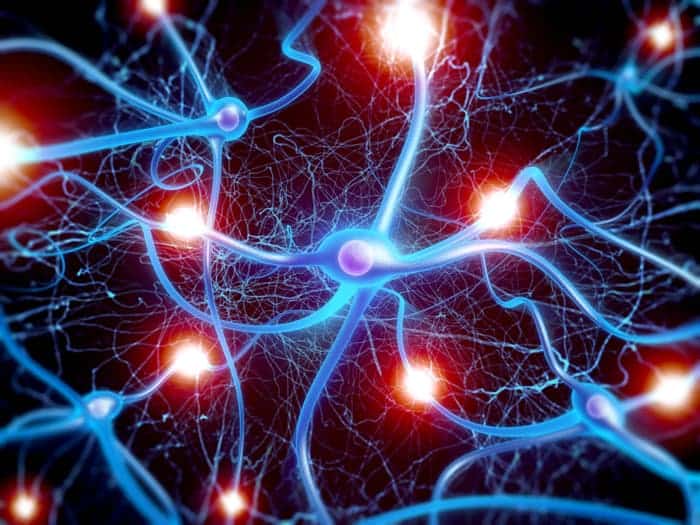
The most unfortunate aspect of the neuron is that it cannot regenerate itself. However, it can compensate by performing something arguably much better…which involves a little bit of plastic
Magic of the Brain
I alluded previously to how neurons, despite being incapable of regenerating themselves, are remarkably apt at adapting to the situation. Now, the most common deficits caused by strokes are Motor and Speech based deficits, because generally, blood flow is blocked in the Artery that supplies the areas responsible. However, after one suffers a stroke, despite the potential that they experience some weakness, they should not assume that they should limit the usage of the affected areas. Obviously, they should not over-exert those areas, but utilizing these areas can actually promote recovery. When I said that neurons are remarkable at adaptation, I meant it. Neurons which are still remaining can actually rewire themselves to facilitate the revival of movement which may have been weakened or even lost due to the stroke. By re-establishing connectivity with those neural pathways that were, in fact, originally compromised, the deficits can be alleviated, improving the quality of life for affected patients. Of course, severity matters. Strokes that were treated promptly, or did not possess much initial damage to begin with, can often be recovered from without any focused therapy or treatment, simply due to the fact that we cannot avoid basic neural function such as speech or fine motor skills!!
WRAPPING IT UP
So, these incidents are to be taken seriously, as is now evident. If there was ever a time to begin prioritizing your neural health, it’s now, because what we do in the present, affects our future in ways we may not know until it is too late…


 NeuralAYM
Leave a reply to The Mindful Migraine Blog Cancel reply